

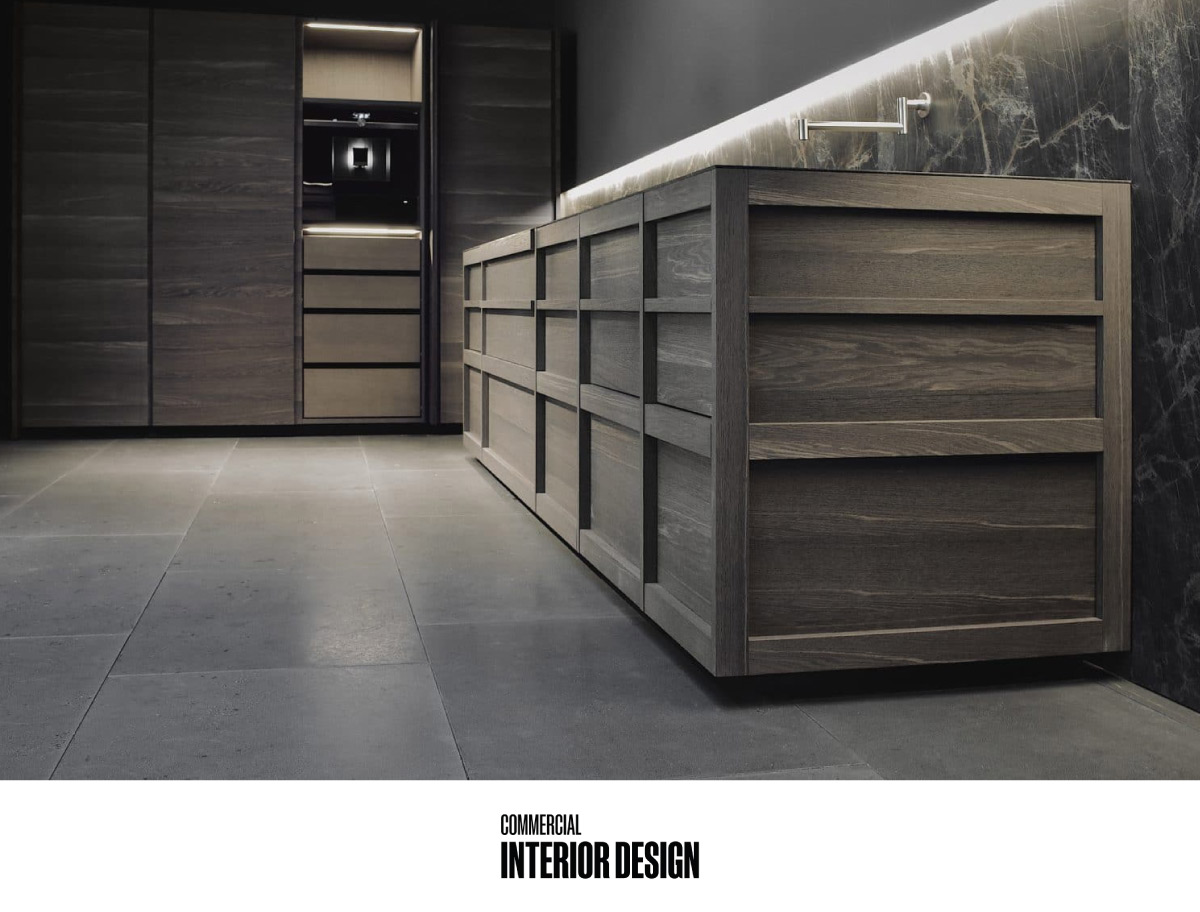
An exploration of architectural kitchens defined by substance, restraint and visual intelligence
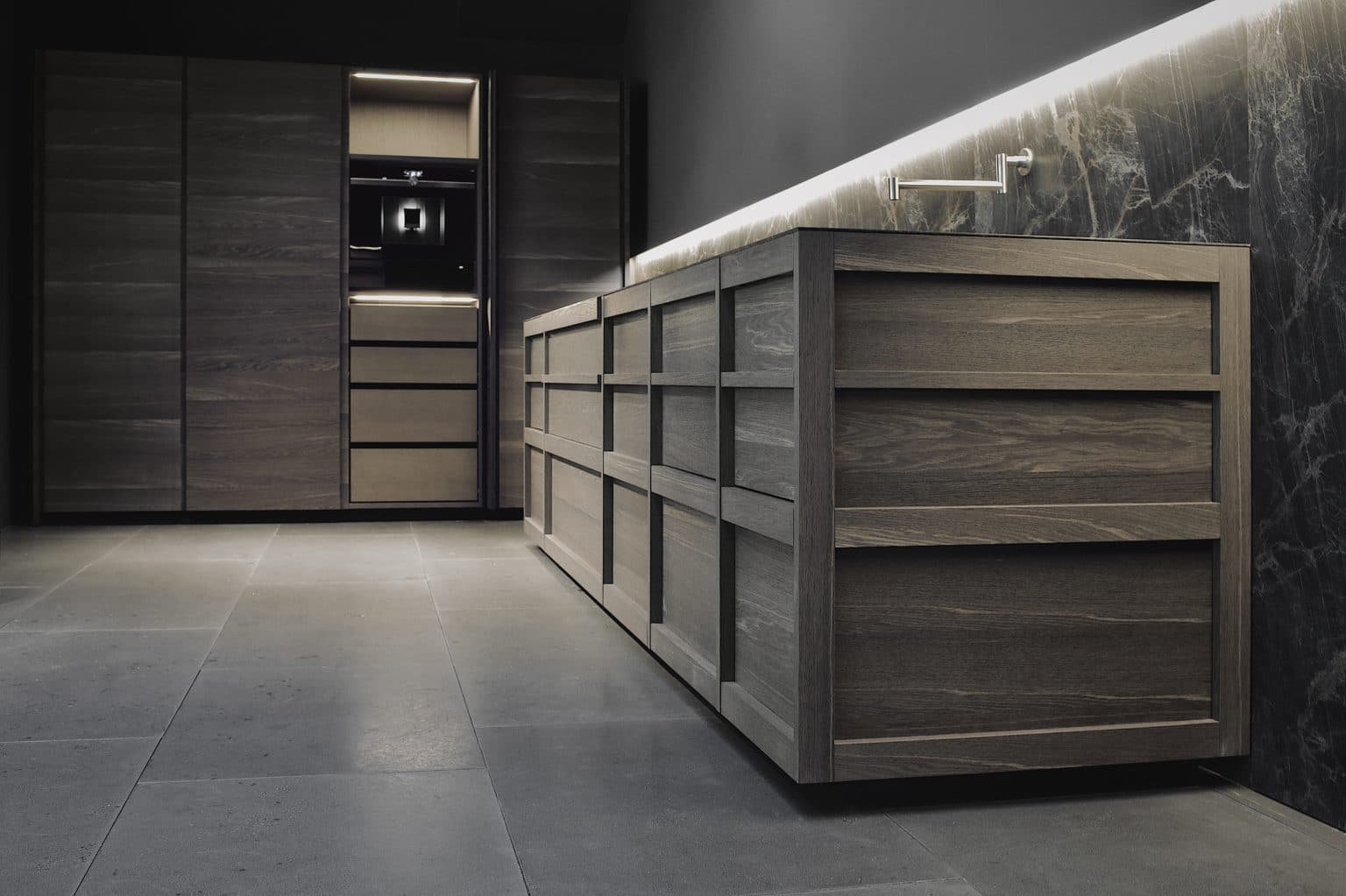
If you ask minotticucine, the kitchen is not furniture. It is architecture. Every project begins not with decoration, but with material, considered as structure, memory and presence. This philosophy has defined the brand for decades and continues to guide its approach to contemporary kitchen design.
minotticucine was the first to introduce the stone-front kitchen door, a decisive shift that challenged traditional notions of domestic design. Stone, typically reserved for architecture and sacred spaces, was reinterpreted as an active kitchen surface. Inspired by the Pieve di San Giorgio, also called “Ingannapoltron” which in Venetian dialect means “gull the lazy man”, near Verona, where stone exists as silence, permanence and spirituality, the material became a carrier of meaning rather than ornament. This gesture transformed the kitchen into a spatial experience, rooted in weight, time and light.
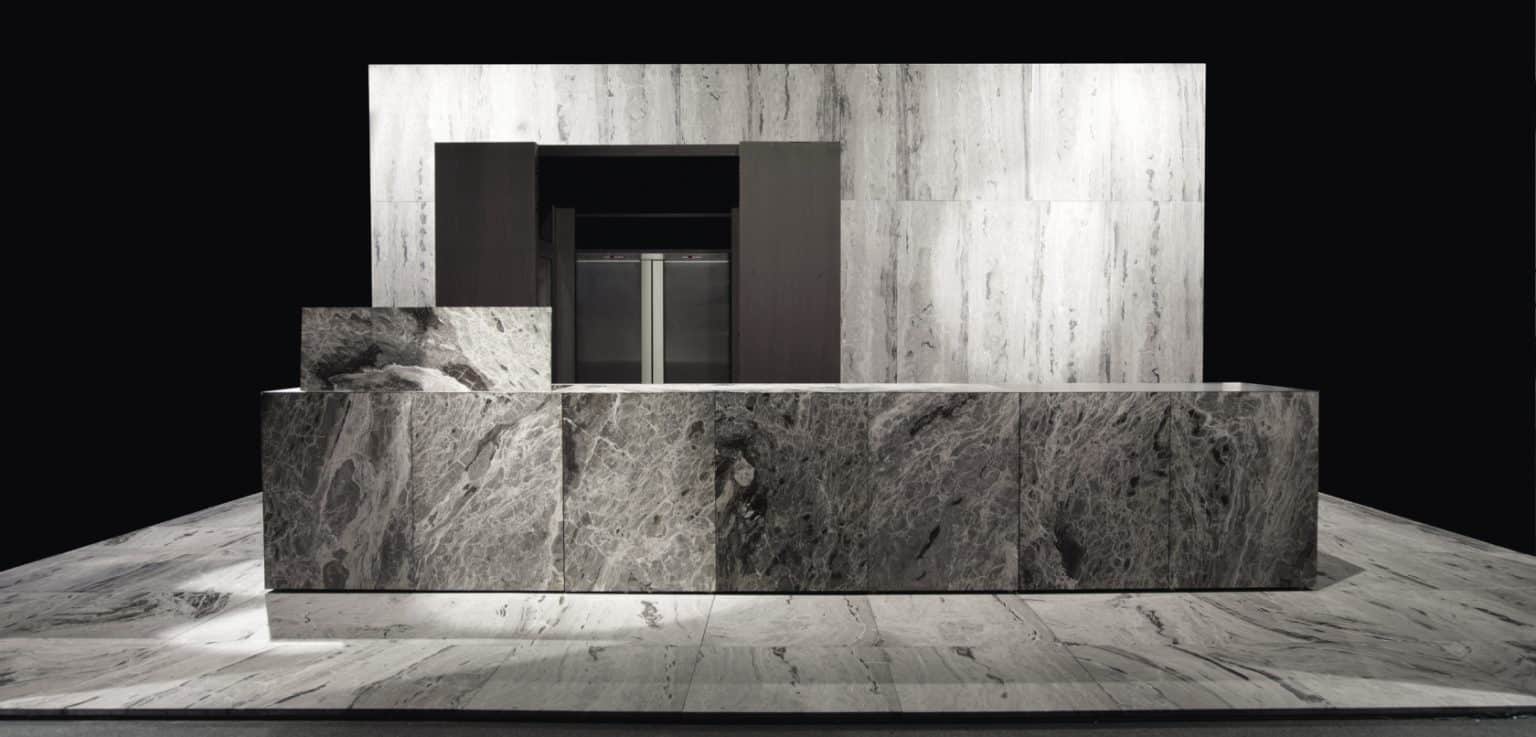
This approach laid the groundwork for a broader material research that defines minotticucine kitchens today. Each surface is selected not for its visual appeal alone, but for its ability to interact with light, evolve over time and express an artistic intention. Form remains deliberately restrained, allowing materials to speak with clarity and authority.
Recent collections further articulate this philosophy. terra in cast bronze explores wabi-sabi through artisanal casting techniques typically associated with sculpture. Each bronze surface is unique, shaped by oxidation, texture and time.
